
India has long been associated with wellness, spirituality, and holistic living. For many international travelers, the idea of visiting India for Ayurveda, yoga, or a wellness retreat feels both inspiring and slightly uncertain. Questions about authenticity, safety, comfort, food, and expectations are common—and reasonable.
Wellness and Ayurveda travel in India can be deeply rewarding when approached with clarity and realistic expectations. It is not about instant transformation or miracle cures. Instead, it is about slowing down, restoring balance, and learning practices that support long-term well-being.
This guide offers practical, grounded insights to help you understand what wellness and Ayurveda travel in India truly involves, and how to decide whether it is the right experience for you.
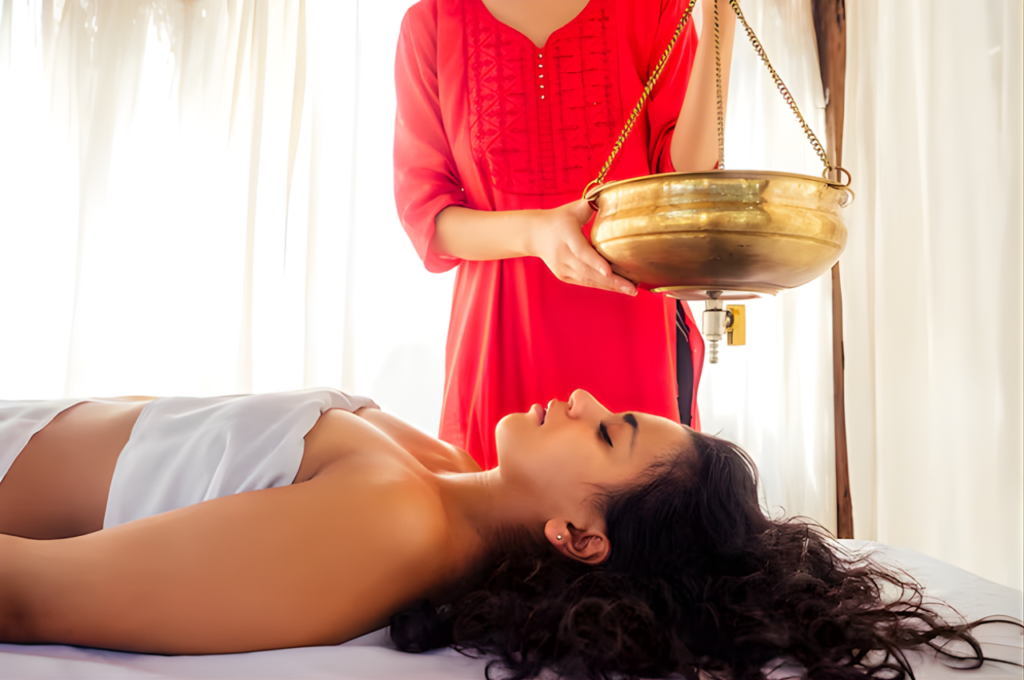
Ayurveda is one of the world’s oldest systems of holistic health, originating in India more than 3,000 years ago. Rather than focusing only on symptoms, Ayurveda looks at the body, mind, lifestyle, diet, and environment as interconnected.
At its core, Ayurveda aims to maintain balance rather than simply treat illness. It emphasizes prevention, daily routines, mindful eating, and personalized care.
Understanding the Doshas
Ayurveda is based on the concept of three natural energies, known as Doshas:
Every individual has a unique combination of these Doshas. This is why Ayurveda is not one-size-fits-all. Treatments, diet, and routines are often tailored after a personal consultation
India remains a leading destination for wellness travel because of its authenticity and depth of tradition.
For travelers seeking more than surface-level relaxation, India offers a holistic framework that goes beyond the typical spa experience.
Wellness travel in India is usually structured, gentle, and routine-based rather than activity-heavy.
Typical Daily Routine
A day at an Ayurveda or wellness retreat may include:
Days are intentionally slow, allowing the body and mind to reset.
Duration of Wellness Programs
Ayurveda works gradually. Meaningful results usually require time and consistency.
Ayurveda Is Not a Spa Experience
While many treatments involve massage and oils, authentic Ayurveda is not a luxury spa service.
The focus is on balance and healing, not pampering.
Food & Diet During Wellness Retreats
Diet is a central part of Ayurveda.
Guests are often advised to follow specific dietary guidelines during their stay. This discipline plays a key role in the overall experience.
Physical Expectations
Some treatments may involve:
Not all programs are suitable for everyone. Travelers with medical conditions or limited mobility should seek guidance before choosing intensive treatments.
Selecting the right center is one of the most important decisions.
Look for:
It is helpful to understand the difference between:
Both can be valuable, depending on your goals.
Wellness and Ayurveda travel can be especially beneficial for senior travelers when planned carefully.
Why It Works Well
Suitable Activities
Extra Caution Is Needed For
Open medical disclosure, slower pacing, and clear communication with practitioners are essential for seniors.
Kerala
Known as the heartland of Ayurveda, Kerala offers experienced practitioners, lush landscapes, and a strong wellness tradition.
Rishikesh & the Himalayas
Ideal for yoga, meditation, and spiritual wellness, especially for travelers seeking mental clarity and reflection.
Goa
Combines relaxed coastal settings with modern wellness retreats and lighter Ayurveda programs.
South India (Tamil Nadu, Karnataka)
Home to traditional Ayurveda centers, temple towns, and quieter retreat environments.
Each region offers a different atmosphere, allowing travelers to choose what suits them best.
Wellness travel should always be approached responsibly.
Ayurveda works best when expectations are realistic and ethical standards are respected.
This type of travel may be ideal if you:
You may want to reconsider if you:
A balanced mindset is key to a fulfilling experience.
Wellness and Ayurveda travel in India is not about fixing everything at once. It is about listening to your body, slowing your pace, and learning practices that support long-term well-being.
With thoughtful planning, the right center, and realistic expectations, India can offer a grounded and meaningful wellness journey—one rooted in balance, care, and mindful living.

A trusted inbound tour operator in India specializing in tailor-made and luxury India tours for international travelers. We design private journeys that combine culture, comfort, and authentic experiences across India.
Connect with our experts to design your personalized India travel experience.
15+ Years of Excellence
We're Here to Help
Tailored Just for You
Quality with Value
© 2026 Infinite India Tours Private Limited. All Rights Reserved.